.png)
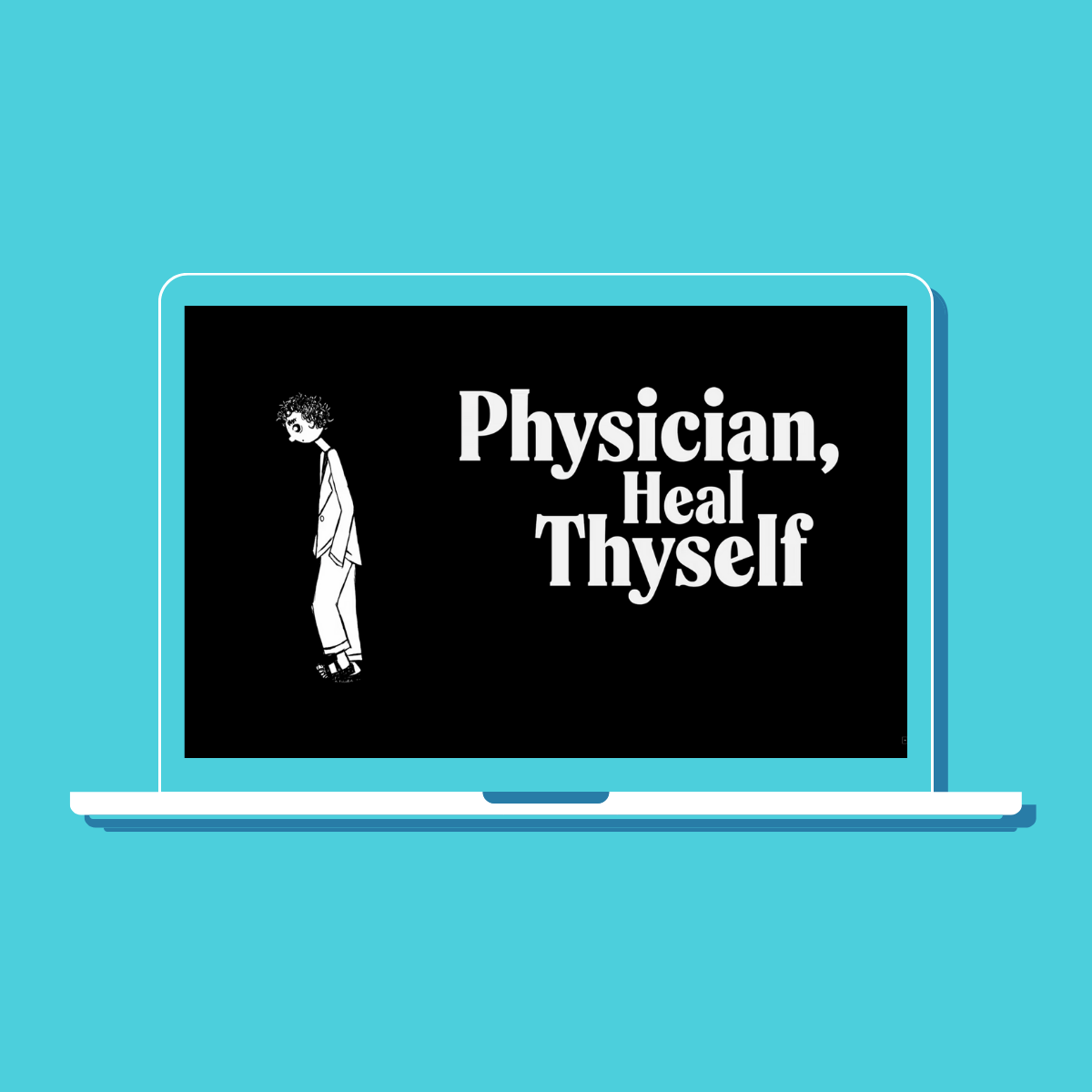
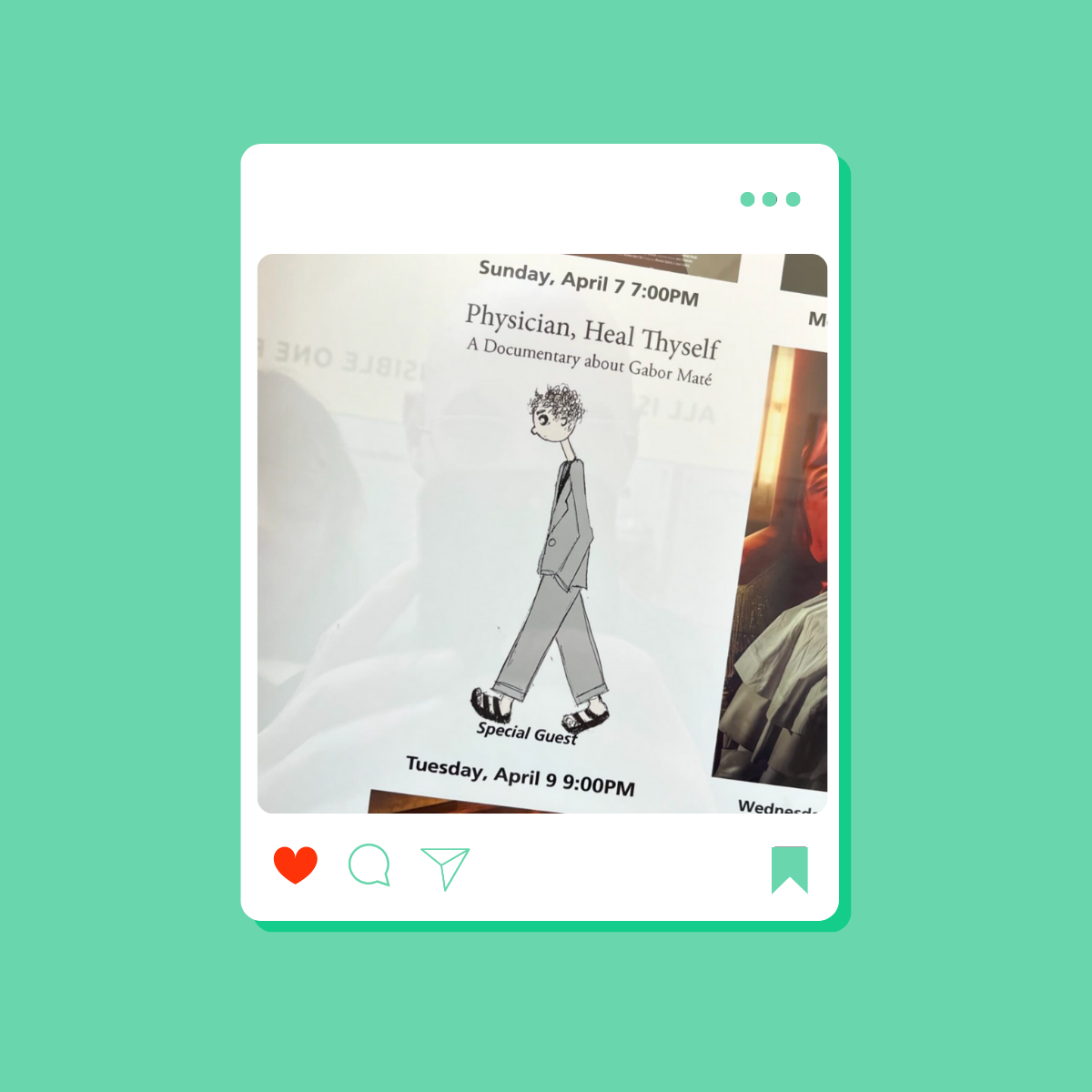
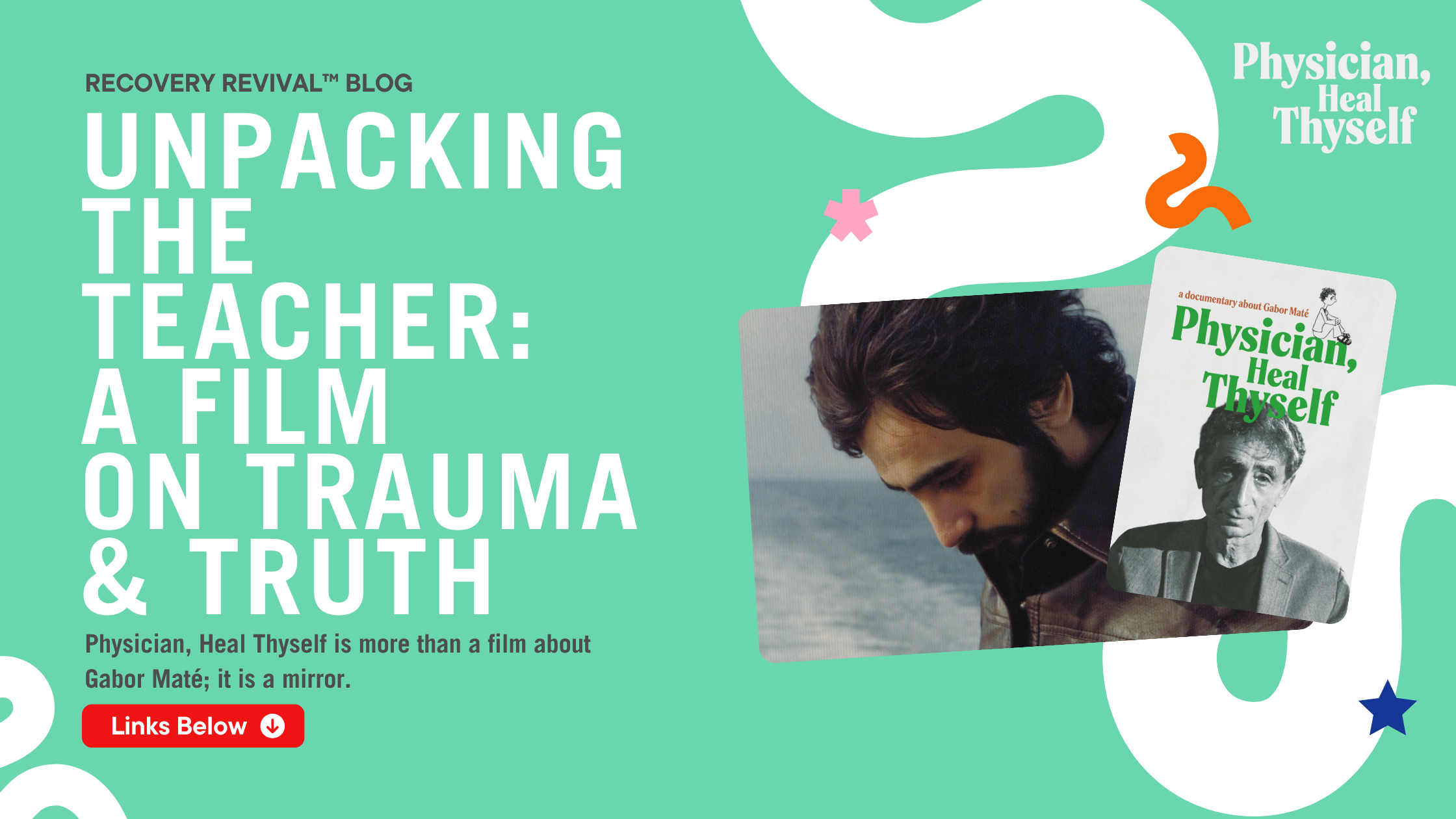
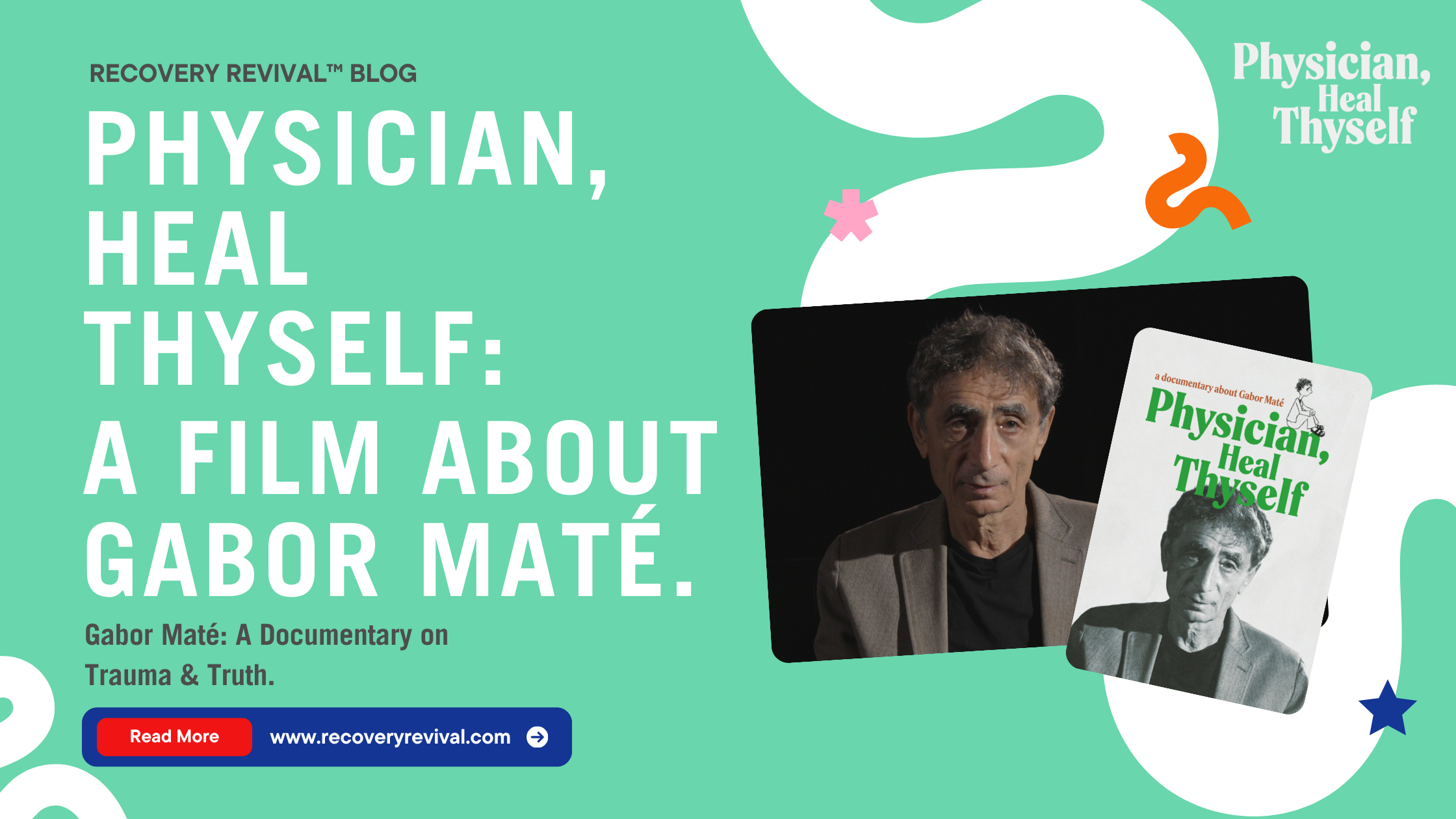
We often look to Dr. Gabor Maté as a source of profound clarity. Whether he is discussing the "myth of normal" or the biological roots of addiction, he speaks with an authority that has changed the lives of millions. But in the new film Physician, Heal Thyself, we are invited to step away from the podium and into the quiet, often turbulent inner world of the man himself.
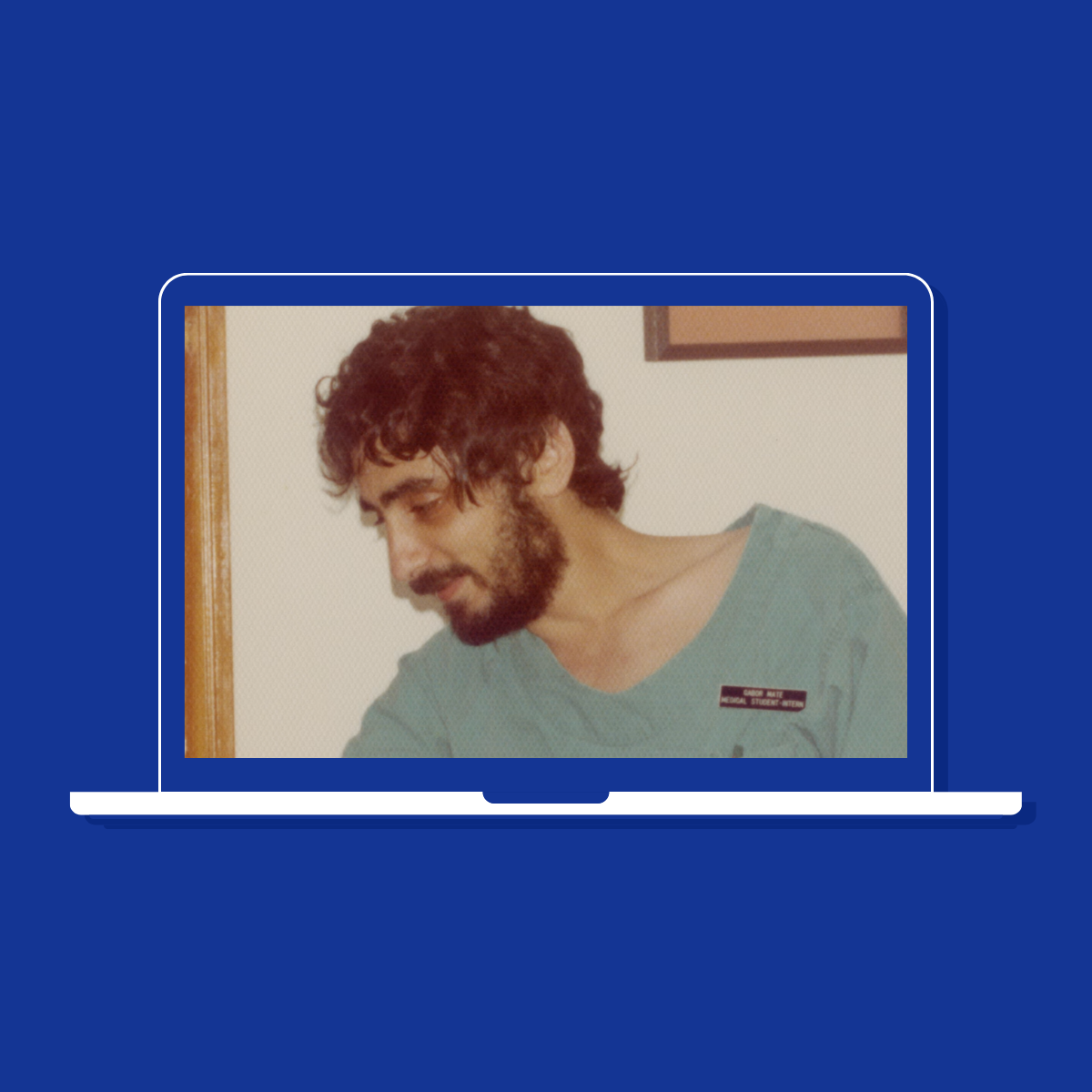
This is not a polished highlight reel of a successful career. Instead, it is a searingly honest portrait of the physician as a patient, tracing the lines between his early trauma and the man he became.
The film introduces us to a man described by those closest to him as a "tornado." While the world saw a compassionate healer, Gabor reveals that much of his professional drive was fueled by a "workaholism" that bordered on the obsessive.
The documentary bravely explores the irony of his life. A man who taught the world about the dangers of stress was himself a captive to it. We see Gabor at his most vulnerable, admitting that his relentless pursuit of knowledge and his busy medical practice were, in part, a way to escape a fundamental sense of "not being enough" , a survival mechanism born from the chaos of his infancy in 1944 Hungary.
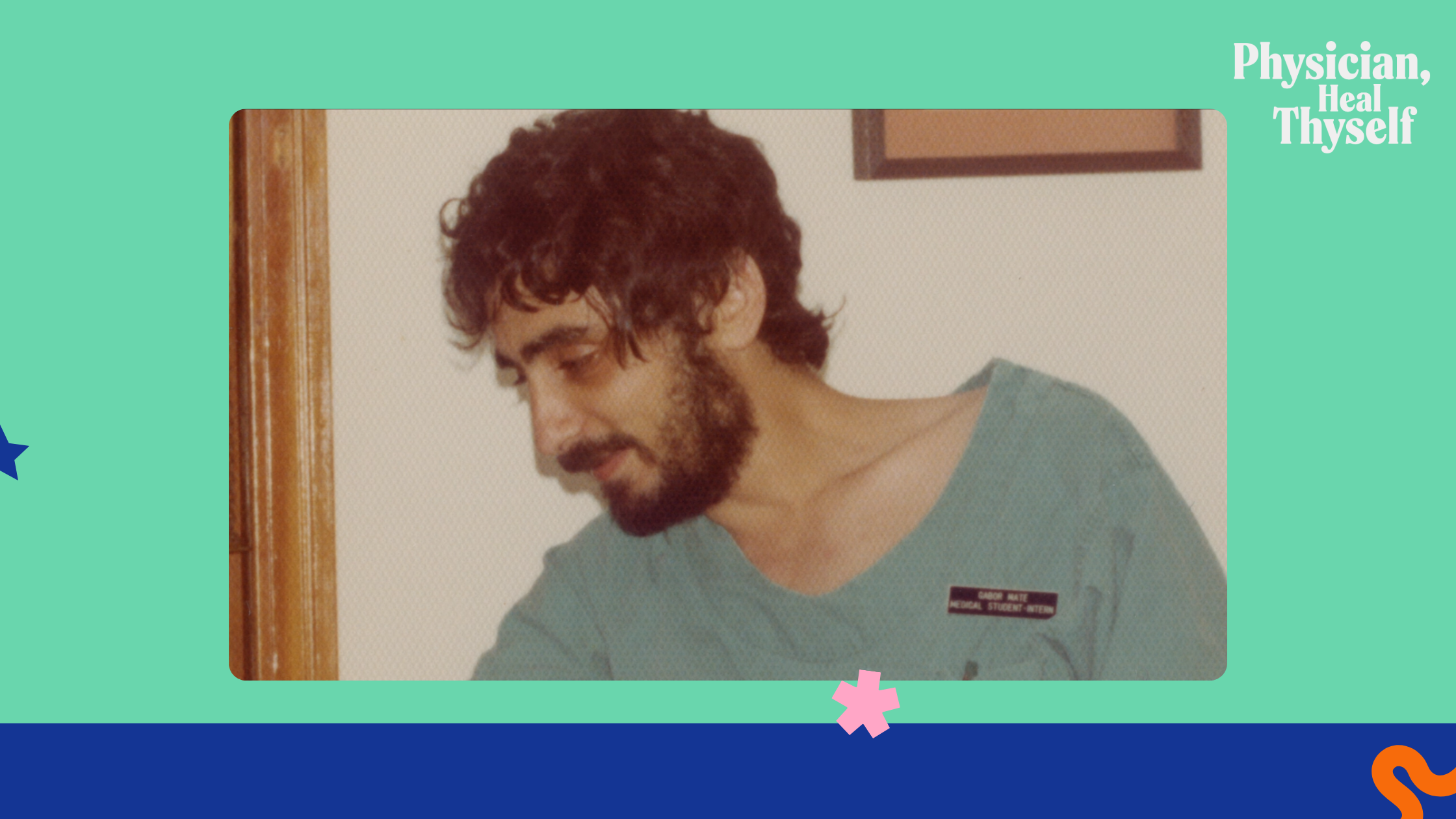
For years, Gabor was the primary physician for the marginalised souls of Vancouver’s Downtown Eastside. This film connects those dots, showing how his work with the city's most traumatized citisens was actually a mirror for his own unhealed wounds.
The narrative beautifully illustrates the Biopsychosocial perspective. The idea that our health is not just about our biology, but about our connections, our history, and our society. By watching Gabor navigate his own history, we see a practical application of his theories. We learn that, knowing why you are traumatised is not the same as being healed, even a world renowned doctor cannot think his way out of the physical manifestations of suppressed emotion and the path to wellness is the difficult journey of shedding the roles we play to find the person we truly are.
What makes Physician, Heal Thyself so compelling is Gabor’s willingness to be "unpacked." He doesn't hide his contrarian nature, his ego, or his struggles within his marriage and family. By showing us his flaws, he gives the audience permission to be imperfect.
The film captures a shift in Gabor, a transition from the intellectual "expert" to a man who is finally learning to be still. It documents his move toward "wholening," a term that suggests that healing isn't about fixing something broken, but about integrating the parts of ourselves we have rejected or ignored.
In a modern medical landscape that often treats the body like a machine and the mind like a chemical equation, this film is a necessary intervention. It reminds us that the healer is part of the healing, and that the disconnect between our professional personas and our private pain is where illness often begins.
For anyone who has felt the heavy weight of their own history, or for those who have spent their lives caring for others while neglecting themselves, this film offers more than just information, it offers a sense of companionship.
The journey toward understanding trauma, both Gabor’s and our own, continues through the lens and we invite you to experience this powerful portrait for yourself via the links below.




.png)